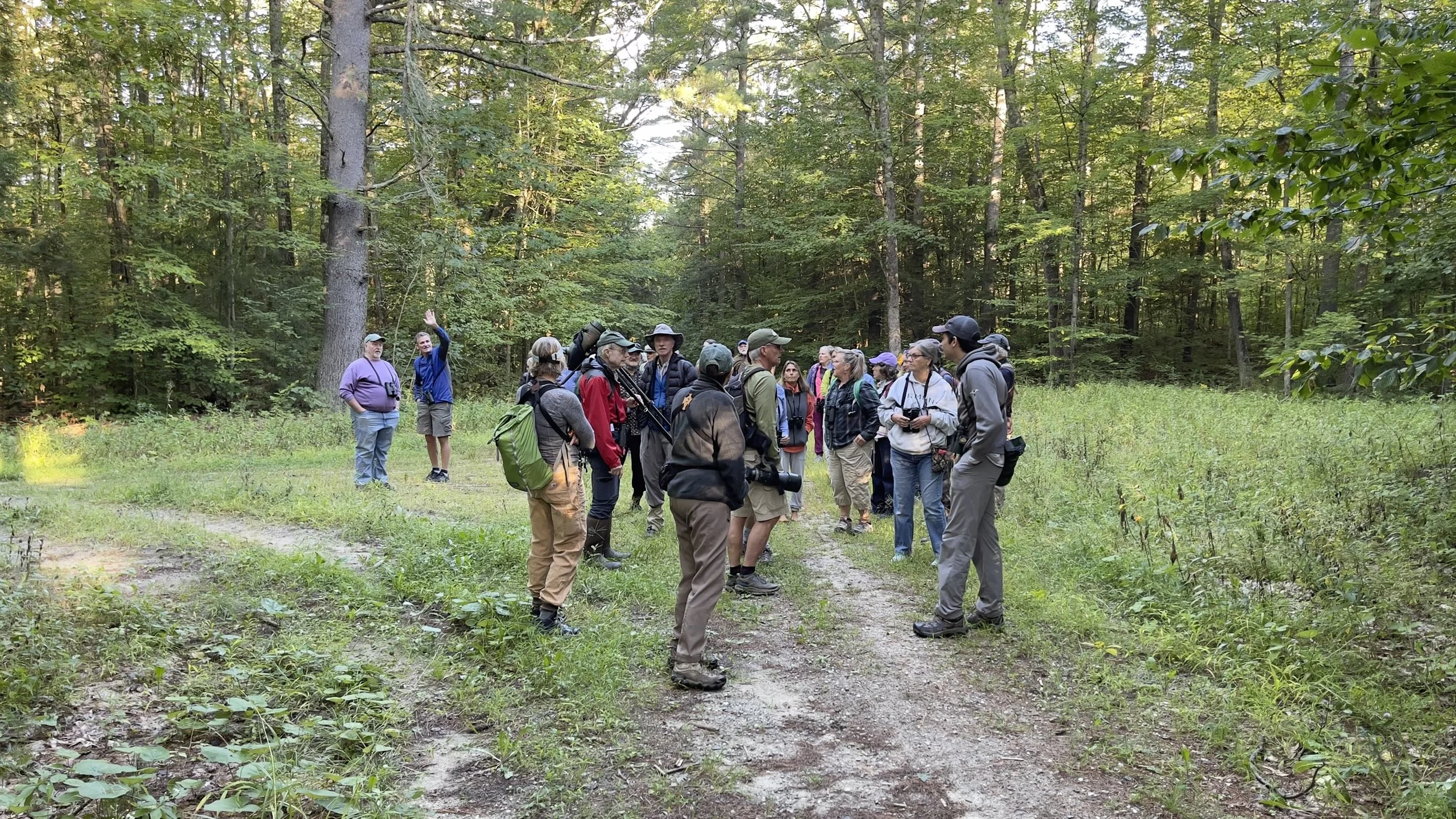
This issue we share reports from two outings and our monthly monitoring walk at the Green Mountain Audubon Center.

The Hermit Thrush Newsletter
Combined GMAS grants of $6,000 have given over 200 students access to a wide variety of educational programs and activities in 2022. A $5,000 grant to Audubon Vermont provided scholarship funds to a diverse group of students, according to Debbie Archer, Education Program Manager at Audubon Vermont. “It really covered the full range of educational opportunities we have here at Audubon, like our Forest Classroom and our Forest Playschool programs, and then also summer camp.”
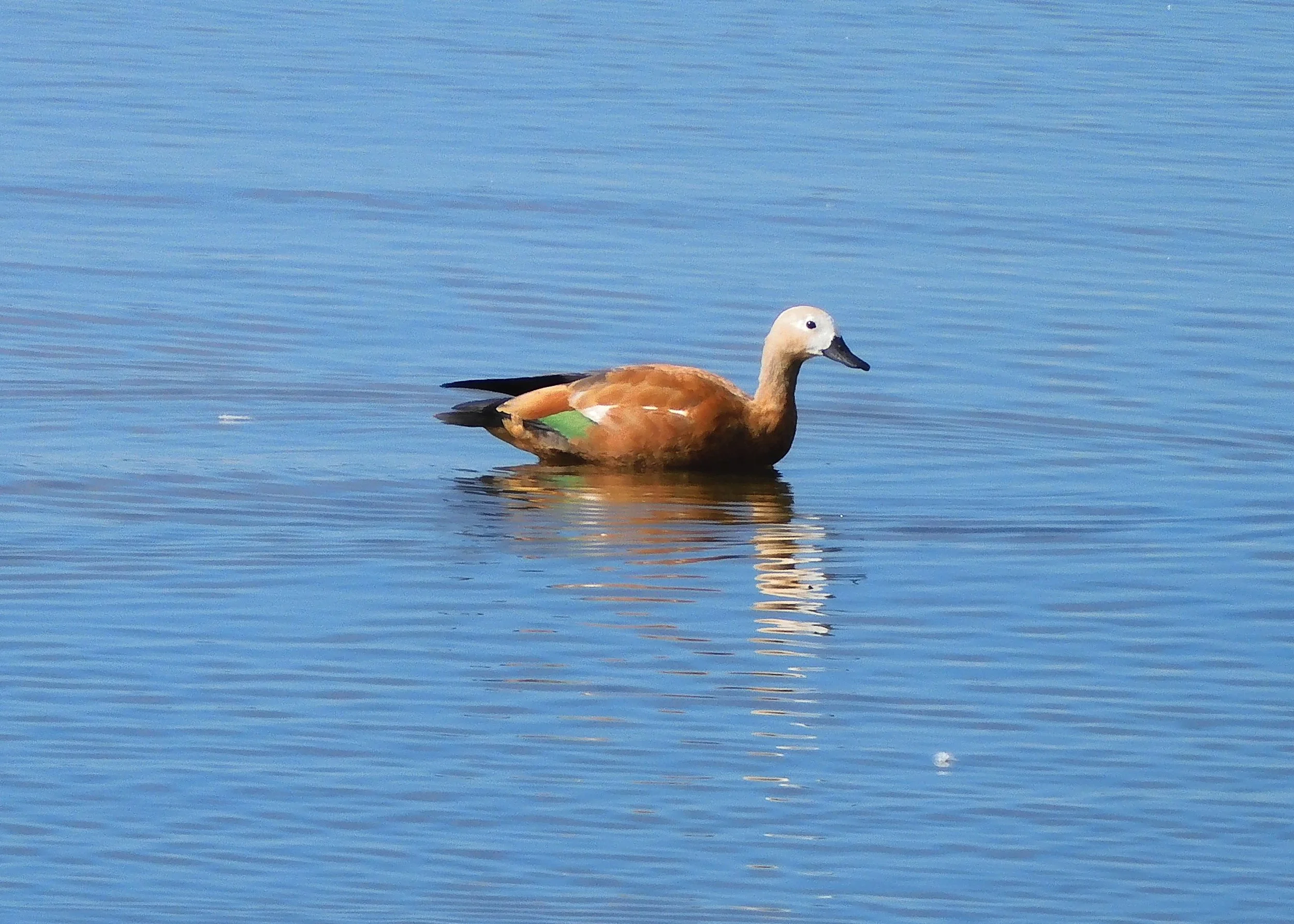
Delta Park is located in Colchester in Chittenden County. This magnificent natural area encompasses 55 acres of diverse habitats that include lakeside marshes, buttonbush swamp, sand beaches, grassland, river, and lake. Delta Park is one of 17 Important Bird Areas (IBA) in Vermont and has been owned and managed by the Winooski Valley Park District since 2008. The current checklist includes 251 species, making it the top birding spot in Vermont!
The 2022 Common Tern (Sterna hirundo) breeding population in Vermont rebounded moderately in 2022 from low numbers and low reproductive success in 2021. Breeding population numbers were up slightly from 2021, and more than 100 chicks survived to fledging. This was still lower than the 2020 breeding population of 230 pairs with more than 250 chicks fledging.
The Hermit Thrush (the bird) returns to Vermont each spring, bringing joy to bird enthusiasts. The Hermit Thrush (this publication) returns to Vermont after a long hiatus. We hope to bring joy to bird enthusiasts, as well. “Welcome back” to our longtime fans. “Welcome” to newcomers.
This new incarnation of the Hermit Thrush is the result of the enthusiasm of several new Green Mountain Audubon Society (GMAS) board members and a host of content contributors. In addition to our usual cast of bird enthusiasts, we plan to elevate voices that have not been prominent in earlier editions. We also hope to inspire our members to participate in activities including field trips and educational programs.
The Green Mountain Audubon Society resumed a full slate of birding excursions this spring. Numbers of participants have been intentionally limited to ensure an enjoyable experience for all and most outings have been fully subscribed. A genuine effort has been made to accommodate all levels of birders through which we all share and improve birding skills.
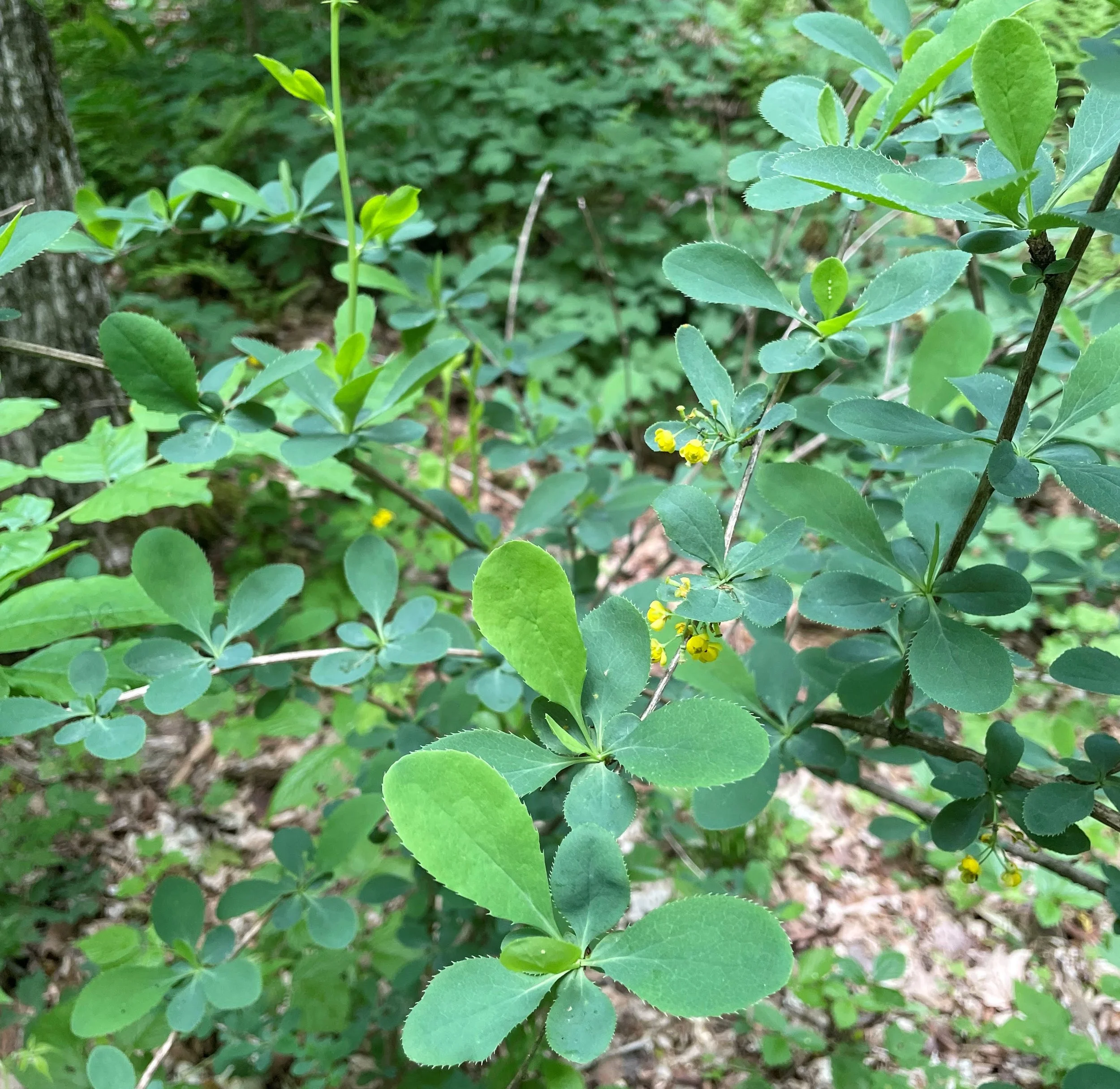
Over 75% of Vermont is beautiful forests – with more than 80% of that being privately owned. So even small actions add up, like choosing locally evolved plants for your garden that support birds and pollinators or pulling up invasive garlic mustard on town trails. By sharing this burden with our neighbors, family, and community, we can empower ourselves and others to act and effect true and lasting solutions.